



A demanding route that leaves the Mediterranean behind to explore the deepest reaches of the Axarquía. Winding roads, steep gradients and relentlessly rolling terrain connect white villages, vineyards and mountain landscapes. A route through inland Málaga that is as tough as it is spectacular.
The route begins in Rincón de la Victoria and soon leaves the coast behind to head deep into the Axarquía. The road begins climbing from the opening kilometres towards Moclinejo, setting the tone for a demanding ride defined by constant climbs and descents.
From Moclinejo, the route passes through Almáchar, El Borge and Cútar, some of the most representative villages along the Raisin Route. The roads wind between hillsides covered with vineyards, olive groves and almond trees, with frequent changes in gradient and magnificent views across the region’s rugged landscape.
After Benamargosa, the route continues towards Riogordo and Colmenar, reaching higher elevations and entering a more mountainous environment. The return journey passes through Totalán, with further short climbs to tackle before the final descent towards Rincón de la Victoria and the Mediterranean.
Since ancient times, the Axarquía has served as a link between the Mediterranean coast and the interior of the province. However, it was during the period of Al-Andalus that many of its villages developed the urban layout they retain today, characterised by narrow streets, steep slopes and whitewashed houses adapted to the terrain.
Moclinejo, Almáchar, El Borge and Cútar share a long-standing connection with the cultivation of Muscat grapes and the traditional production of raisins. Vineyards planted on steep hillsides have shaped both the landscape and the economy of these villages for generations.
Benamargosa developed around the fertile valley of the river that shares its name, while Riogordo and Colmenar traditionally occupied strategic positions on the routes connecting Málaga with inland Andalusia. Located between the mountains and the coast, Totalán also retains the rural character and Andalusian street pattern typical of the region’s villages.
The gastronomy of the Axarquía is closely connected to the region’s agricultural produce. Muscat grapes and raisins are two of its most characteristic products, particularly in the villages nestled among the inland hills, where traditional cultivation and drying methods are still preserved.
One of the best-known local dishes is ajoblanco, a cold soup made with almonds, garlic, bread, olive oil and vinegar, particularly associated with Almáchar. Migas, hearty stews, tomato soups, gazpachuelo and other traditional dishes from Málaga’s rural cuisine are also common throughout the region.
Olive oil, almonds, citrus fruits and honey complete a cuisine built around locally sourced produce. Beekeeping has a particularly strong tradition in Colmenar, while sweet wines made from Muscat grapes are another of the Axarquía’s defining specialities.
The landscape along the route has been profoundly shaped by traditional agriculture. On the hillsides around Moclinejo, Almáchar, El Borge and Cútar, Muscat vineyards dominate the scenery, planted on steep terrain alongside olive groves and almond trees.
Citrus orchards, fruit trees and small vegetable plots appear in the valleys around Benamargosa and Riogordo, benefiting from the presence of local watercourses. These greener areas contrast with the drier, more exposed hillsides that characterise much of the Axarquía.
As the route climbs towards Colmenar, Mediterranean vegetation becomes more prominent, with holm oaks, pine forests and aromatic scrubland species such as rosemary, thyme, rockrose and broom. The combination of vineyards, cultivated fields, mountain scenery and views of the Mediterranean creates one of the most distinctive landscapes in inland Málaga.
The variety of landscapes along the route supports a wide range of animal species. Small birds, partridges, rabbits and other species adapted to traditional farmland are commonly seen in the agricultural areas.
As the route approaches the more mountainous terrain around Riogordo and Colmenar, birds of prey such as booted eagles, kestrels and common buzzards become more frequent. Mammals including foxes, wild boar and Egyptian mongooses also inhabit these areas.
The streams and rivers running through the valleys add further biodiversity to the landscape and provide shelter for amphibians, reptiles and insect-eating birds. The quieter sections of the route offer the best opportunities to observe local wildlife, particularly during the early morning.
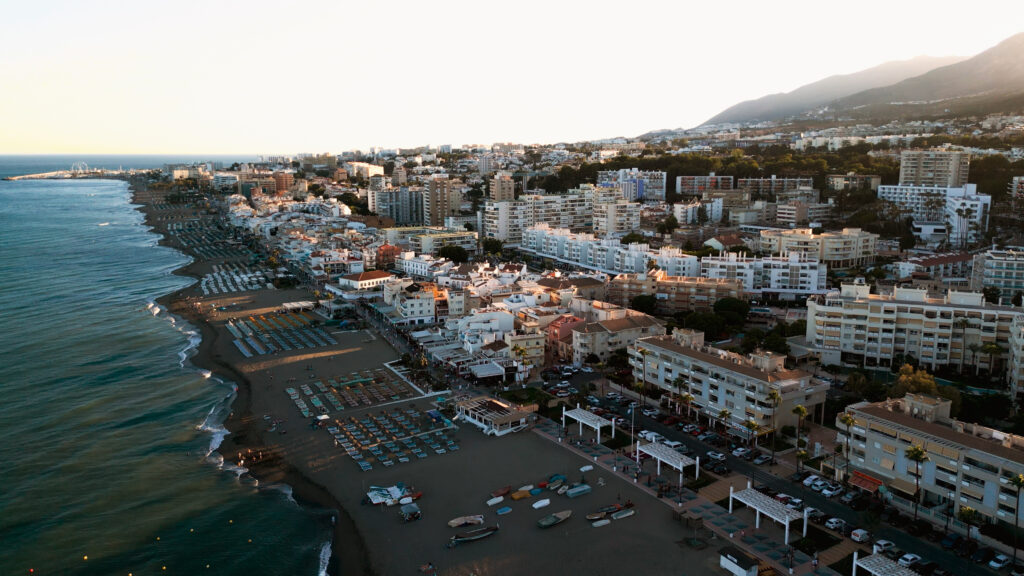
From the sea to the mountains and back to the Mediterranean. This circular route starts on the coast of Torremolinos and takes cyclists through some of the most varied landscapes in the province: the climb to Benalmádena Pueblo, the slopes of Mijas and the fertile valleys of Cártama and Churriana. A full day of cycling with a local flavour – tejeringos included.
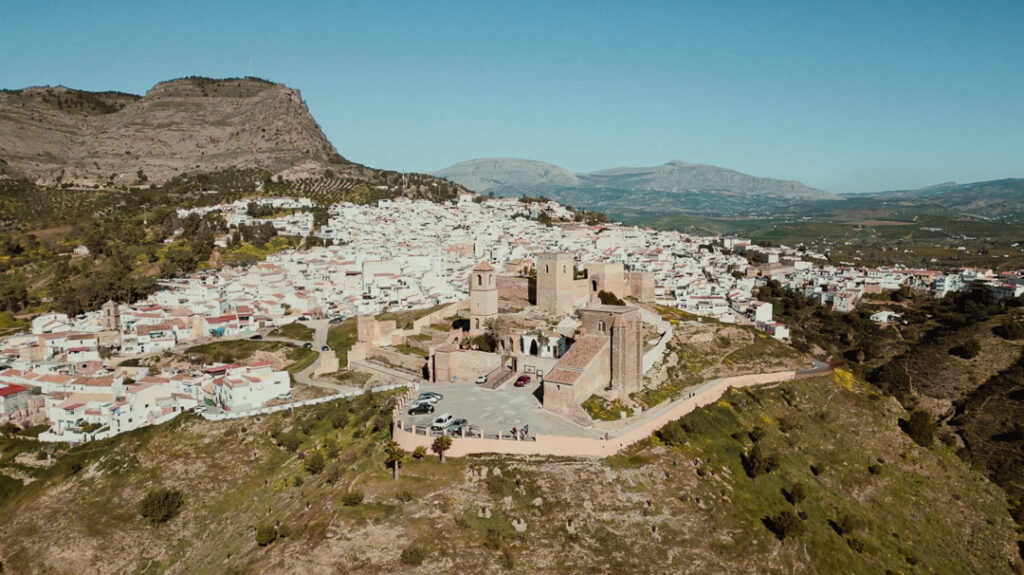
From Coín, the route unfolds northward between fields and mountains. After passing through charming villages, El Chorro is reached, where the canyons and the Caminito del Rey (King’s Little Path) mark the climax of a long, mountainous and spectacular journey.
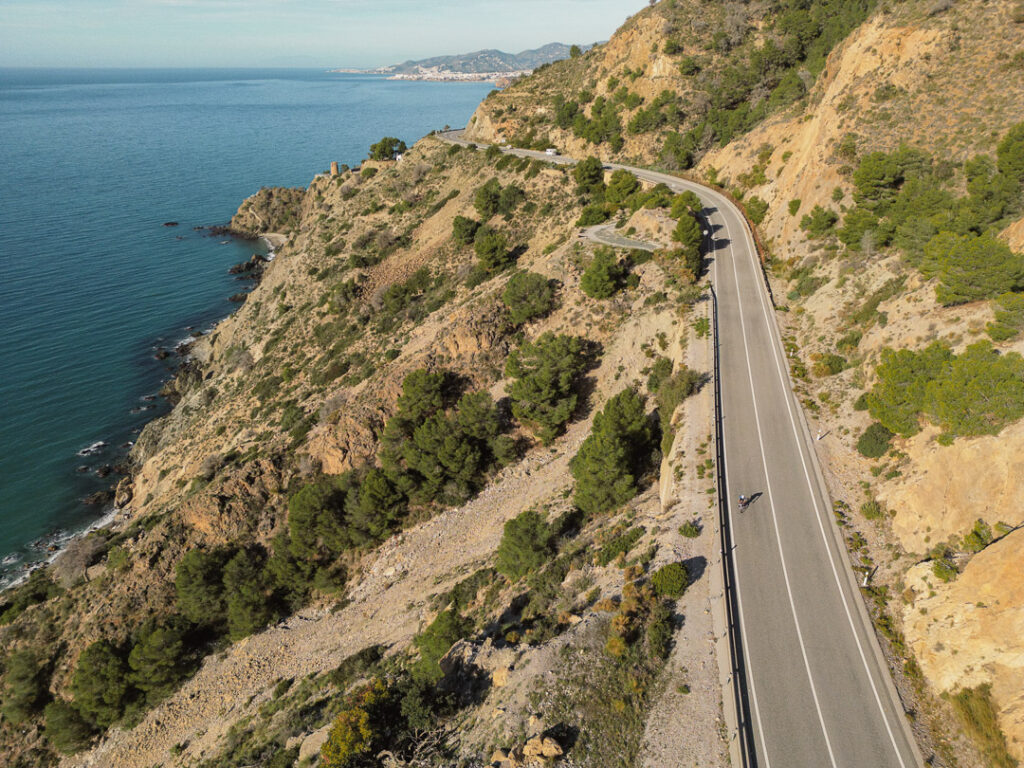
From the Balcón de Europa, the route follows the coast before turning inland. After crossing La Herradura, the road becomes more demanding and quiet, ascending towards the Puerto de los Castillejos between mountains, pine forests and open views of the sea.
"En Málaga CicloTu utilizamos cookies para que tu experiencia de navegación sea tan fluida como un paseo en bici por el centro de Málaga. Gracias a ellas, podemos optimizar tu recorrido digital, recordar tus preferencias y ofrecerte el mejor servicio. Si decides frenar y no aceptarlas, algunas funciones pueden no estar disponibles. ¿Listo para seguir pedaleando con nosotros?"